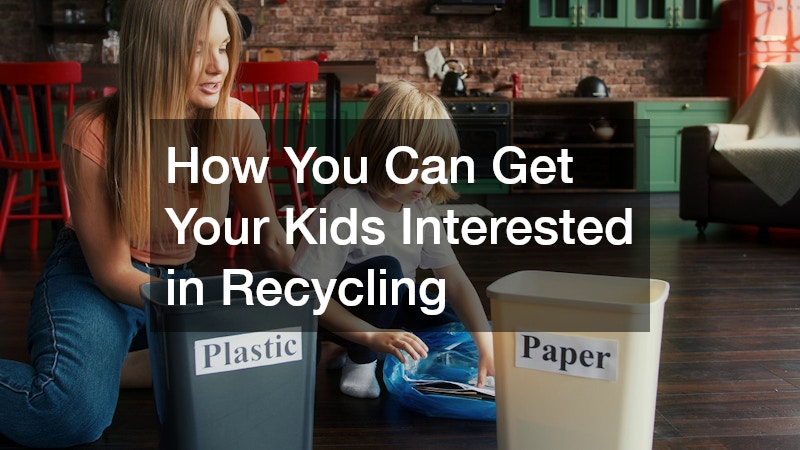

Teaching children about recycling at an early age helps them build lifelong habits that benefit both the environment and their community. Kids are naturally curious, and when recycling is presented in a way that feels meaningful, hands on, and connected to their daily lives, they are far more likely to participate willingly. Parents can use everyday routines, household tasks, and real world examples to help children understand why recycling matters and how their actions make a difference. From sorting reusable items to learning how discarded materials are transformed into new products, there are many creative ways to spark a child’s interest in sustainability. Here are just a few ways to introduce your kids to the idea of recycle early on, and how you can encourage them to see how it affects different facets of their every day life instead of just sorting out cans or cardboard.
Make Recycling a Hands-On Learning Experience
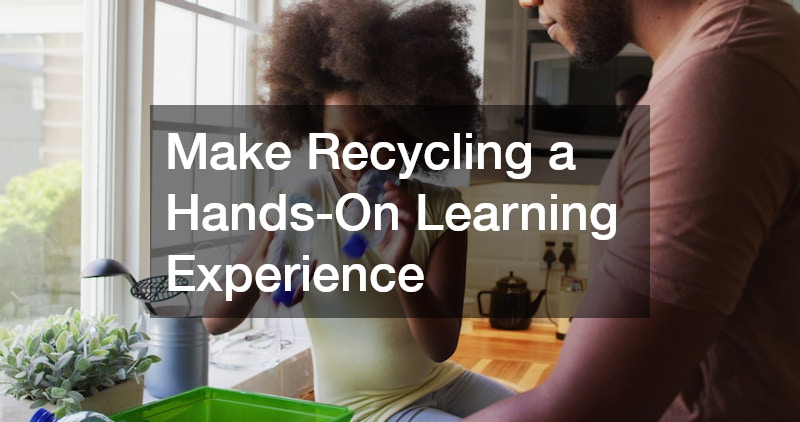
Children learn best when they can see and touch the objects involved in a lesson. When introducing recycling concepts, give kids opportunities to explore different materials and understand what happens to them once they leave the home. Visiting a facility that handles local metal recycling can be especially eye opening. Kids can observe how everyday objects such as cans, tools, and household items are collected, sorted, and processed into raw materials that will be used again. Talk with your children about how recycling helps reduce waste in landfills and preserves natural resources. Let them feel the difference between metal, paper, and plastic so they can learn to identify what belongs in different recycling bins. Encourage them to ask questions, and allow them to participate in small sorting tasks at home. When children are involved directly in the process, they begin to see recycling as something purposeful and important rather than just another household chore.
Turn Household Sorting Into a Fun Family Activity
Kids are more likely to stay engaged when an activity feels enjoyable and interactive. Instead of treating recycling as a routine obligation, turn sorting recyclable items into a family project. Create clearly labeled bins for different materials and let children decorate them with drawings or stickers. You can gamify the process by setting timers, awarding points for correct sorting, or turning it into a scavenger hunt where kids identify items suitable for scrap metal recycling or other specific categories. These little competitions not only make the process fun but also strengthen problem solving and observation skills. Encourage teamwork by letting siblings work together to separate materials after mealtimes or cleaning sessions. Over time, kids will begin to take pride in recognizing which items can be reused, and the excitement of participating in a group activity helps reinforce the value of recycling in a positive and memorable way.
Show Kids How Reclaiming Materials Works
Children often benefit from seeing how recycling connects to real jobs and industries in their community. One powerful learning opportunity is to explain how reclaimed building materials are reused during construction or renovation projects. Some neighborhoods have businesses or services similar to a local demolition company that carefully removes wood, brick, fixtures, and metal from old structures so they can be repurposed instead of discarded. Talk to your children about how these salvaged materials may later be used in new buildings, art projects, or community developments. You might even drive past a construction site and explain how recycling reduces the need for brand new resources. This helps kids understand that recycling is not just something that happens inside the home. It is part of a larger system of conservation and resource management that impacts cities, neighborhoods, and future generations. When children connect recycling to real world projects, they begin to see how their small actions support a bigger environmental effort.
Explain Different Types of Recyclables
Kids may not realize that different materials are recycled in different ways. Taking time to explain these differences can make the process clearer and more interesting. Show them how paper, glass, metal, and plastics each require their own sorting system and processing method. If possible, talk about how a plastic recycling company receives and transforms bottles, containers, and packaging materials into new consumer products. You can look at recycling symbols on packaging and help your children identify which items belong in each category. Provide real examples from your household and let them practice sorting items into groups on the kitchen table before placing them in bins. This exercise helps children understand that recycling is a thoughtful process that requires attention and responsibility.
You can also explain why some items that look recyclable may not belong in the bin, such as plastic bags, food contaminated containers, or mixed material packaging. Show kids how rinsing containers and removing leftover food helps improve recycling quality and prevents contamination. Talk about how different colors and thicknesses of glass or plastic may be processed separately, and how certain items are melted down or shredded before being reused. Kids may enjoy watching age appropriate videos or diagrams that show the step by step journey of recyclable items from collection to processing to manufacturing.
Another helpful approach is to connect the lesson to objects your children use every day. Point out how school supplies, clothing fibers, playground equipment, or household goods may be made from recycled materials. Encourage them to think about where items come from and what happens to them when they are thrown away. The more they recognize the unique characteristics of different materials, the more confident they become in making environmentally responsible choices on their own, both at home and in public spaces such as school, parks, or community events.
Teach Kids About Responsible Tech Disposal
Technology is a major part of modern life, and children are surrounded by devices such as tablets, phones, headphones, and gaming equipment. Teaching them what happens to these items when they break or become outdated is an important part of environmental education. Introduce the concept of electronics recycling and explain that electronic devices contain metals and components that can harm the environment if thrown in the trash. Show your children how old devices are collected and processed so valuable materials can be reused safely. If your household has an outdated gadget, include your kids in the decision to donate, recycle, or properly dispose of it. Discuss how responsible recycling helps reduce pollution and protects wildlife habitats.
You can also explain how some electronics contain batteries, wiring, and circuit boards that need to be handled by trained professionals rather than placed in regular household bins. Talk about how certain parts can be refurbished, repaired, or repurposed, extending the life of materials that would otherwise go to waste.
Encourage your children to help gather unused chargers, broken headphones, or old gaming accessories and sort them into a designated container for safe disposal. This helps them develop responsibility and awareness about the items they own. You can even start conversations about buying fewer disposable electronics and taking better care of devices so they last longer. When children understand that technology waste requires special care, they grow more aware of the environmental impact of the devices they use every day and learn to treat them with greater respect, both at home and in the wider community.
Use Recycling to Teach Kids About Money and Value
Recycling can also be a powerful tool for teaching children about financial responsibility and the concept of value. Many communities have programs where families can collect cans or bottles in exchange for small payments. This creates an opportunity to discuss how reusable materials still hold worth even after they have been used. Talk with your kids about how aluminum can prices may fluctuate depending on supply, demand, and market conditions, similar to how other goods change in value. Allow your children to collect cans from family gatherings or community events, count them together, and track how many they have accumulated over time. They can save the earnings for a special goal such as a toy, book, or outing. This exercise not only reinforces math and budgeting skills but also helps kids associate recycling with tangible rewards. It shows them that conservation and responsibility can lead to positive personal outcomes as well as environmental benefits.
Explore Community Recycling Drop-Off and Special Programs
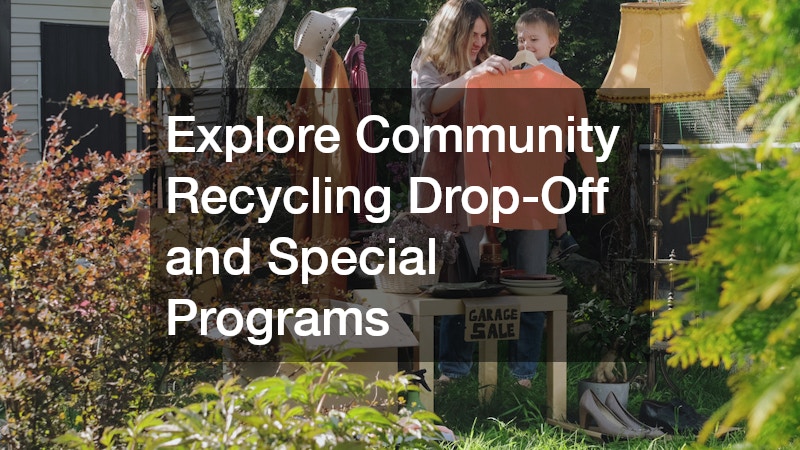
Beyond household recycling, many communities offer programs designed to handle specific types of waste that cannot go in regular bins. Taking your children to participate in these programs helps them understand how communities work together to care for the environment. You might visit a designated collection event or local e-waste disposal service where residents drop off old computers, cords, and electronics. Explain how these programs prevent hazardous materials from ending up in landfills and support safer recycling practices. Encourage your kids to help gather items from home that need to be recycled responsibly, such as batteries or outdated devices. Participating in community programs also gives children a sense of involvement and citizenship. They learn that protecting the environment is a shared responsibility and that everyone plays a role in keeping their town or city clean and sustainable.
Introduce Kids to Food and Kitchen Waste Recycling
The kitchen is one of the best places to teach kids about waste reduction because so many everyday items are used there. Show children how leftover food, cooking scraps, and natural materials can be reused or composted instead of thrown away. You can also talk about how restaurants and commercial kitchens participate in grease recycling to prevent clogged sewer systems and environmental contamination. Help your kids separate food waste from regular trash and explain how composting turns organic material into nutrient rich soil for gardens and plants. Let them help carry compost containers outside or mix soil in a small garden bed. These activities give children a hands on understanding of how natural materials break down and return to the environment. When kids learn how food waste can be reused productively, they become more thoughtful about what they throw away and more engaged in sustainable living practices.
Encourage Kids to Reuse Clothing and Reduce Textile Waste
Clothing is another everyday item that offers meaningful lessons about sustainability. Kids often outgrow clothing quickly, and many garments end up being discarded when they could still be reused by someone else. Talk to your children about how donating or selling second hand clothes helps reduce textile waste and supports families who may benefit from affordable apparel. You can involve them in sorting through their closets to identify items that no longer fit or are no longer worn. Let them help pack donation bags or participate in community resale events. This teaches children to value their belongings and think carefully before throwing things away. It also reinforces empathy, generosity, and environmental awareness. By understanding that clothing can be reused instead of discarded, kids learn to make more responsible consumer choices as they grow older.
Connect Yardwork and Outdoor Care to Recycling Lessons
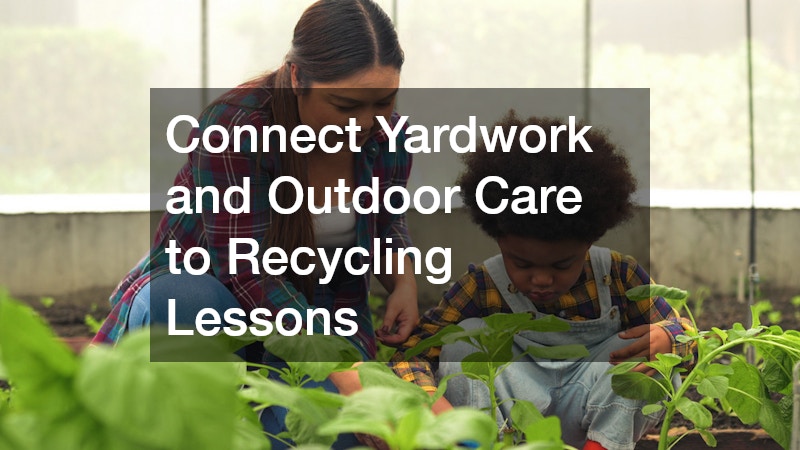
Outdoor activities provide excellent opportunities to extend recycling lessons beyond the walls of your home. When working in the yard or garden, involve your children in tasks such as raking leaves, trimming branches, or planting flowers. Explain how organic yard waste can be reused as mulch, compost, or natural material for landscaping projects. You might discuss how proper tree maintenance helps keep outdoor spaces healthy and reduces the amount of debris that needs to be hauled away. Encourage your kids to collect sticks, leaves, and clippings to place in compost piles or municipal yard waste bins. These activities teach children that nature has its own cycle of reuse and renewal. By connecting outdoor care with sustainability concepts, kids learn that recycling is not limited to man made materials but also applies to the natural world around them.
Helping children become interested in recycling is most effective when the lessons feel meaningful, interactive, and connected to real life experiences. By involving kids in hands on activities, community programs, responsible disposal practices, and creative reuse projects, parents can nurture a deeper understanding of sustainability and environmental stewardship. Over time, children begin to recognize that their actions have a direct impact on the world they live in. These early lessons encourage them to grow into thoughtful, responsible adults who value conservation and take pride in protecting natural resources for future generations.